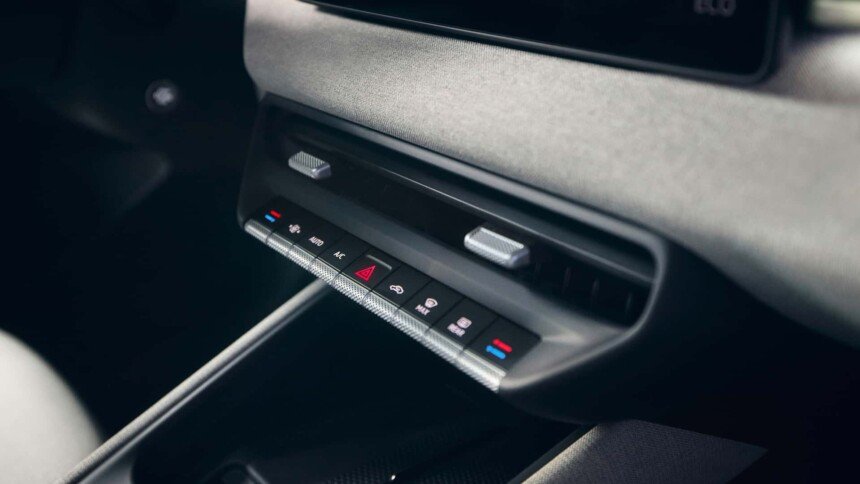
Volkswagen is following Audi and Mercedes-Benz in reversing one of the biggest interior trends of recent years: replacing traditional buttons and knobs with touch-sensitive controls. The company is now bringing conventional switches back to several of its newer models.
The change is already visible in Volkswagen’s latest products. The ID.3 Neo brings back more traditional buttons while removing the unpopular temperature and volume sliders. The ID. Polo and ID. Cross also feature individual switches for the windows, rather than relying on touch-sensitive controls.
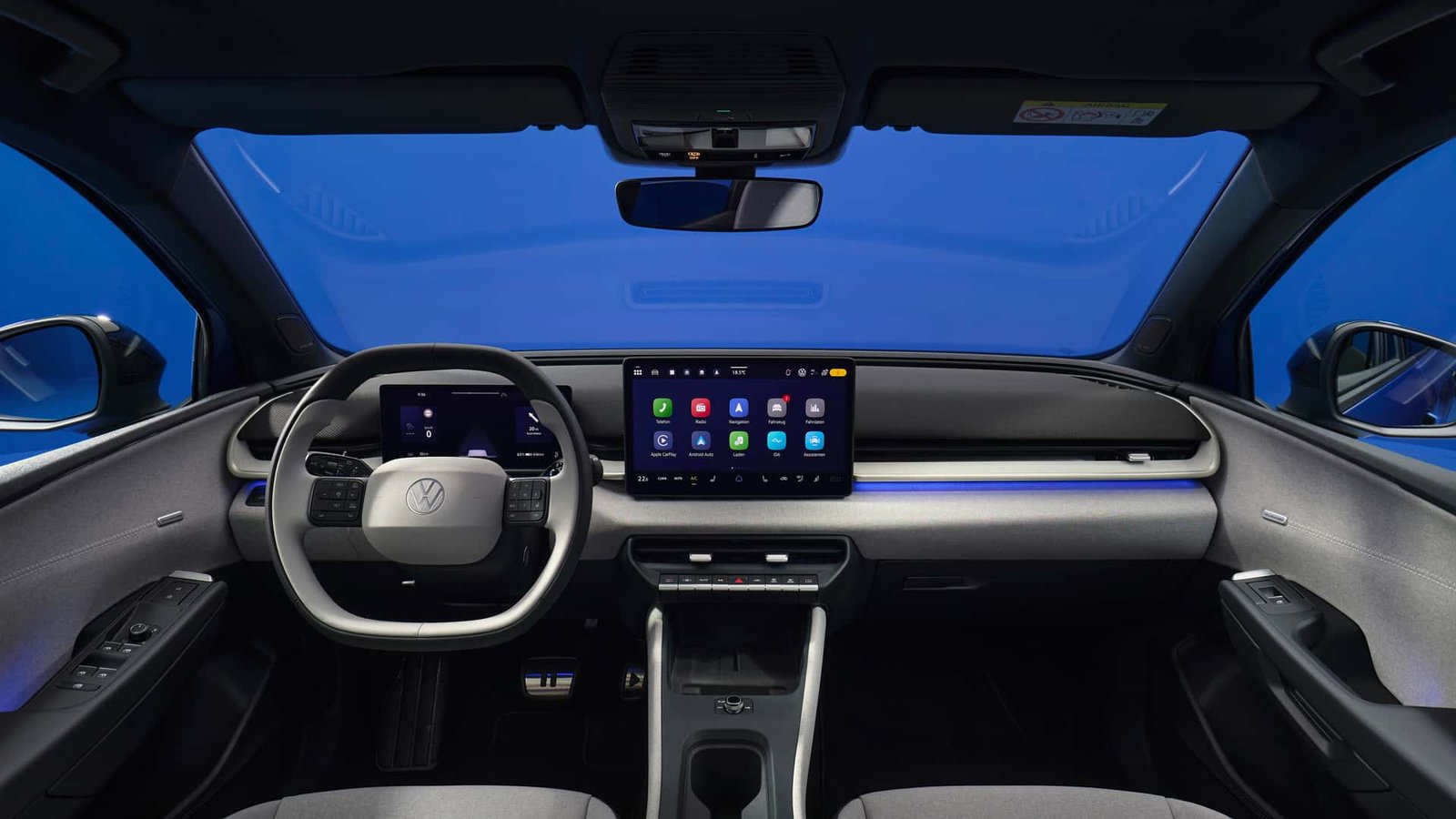
Volkswagen has now offered an unusually candid explanation for why it moved away from physical controls in the first place. According to the company’s Head of Quality Assurance, Andreas Krepp, “What seems obvious to you or me today may well be viewed quite differently at a certain point in time. Then someone says, “People won’t want that at all in the future.” And when there’s a lack of reliable customer data, a lot of things are simply tried out.”
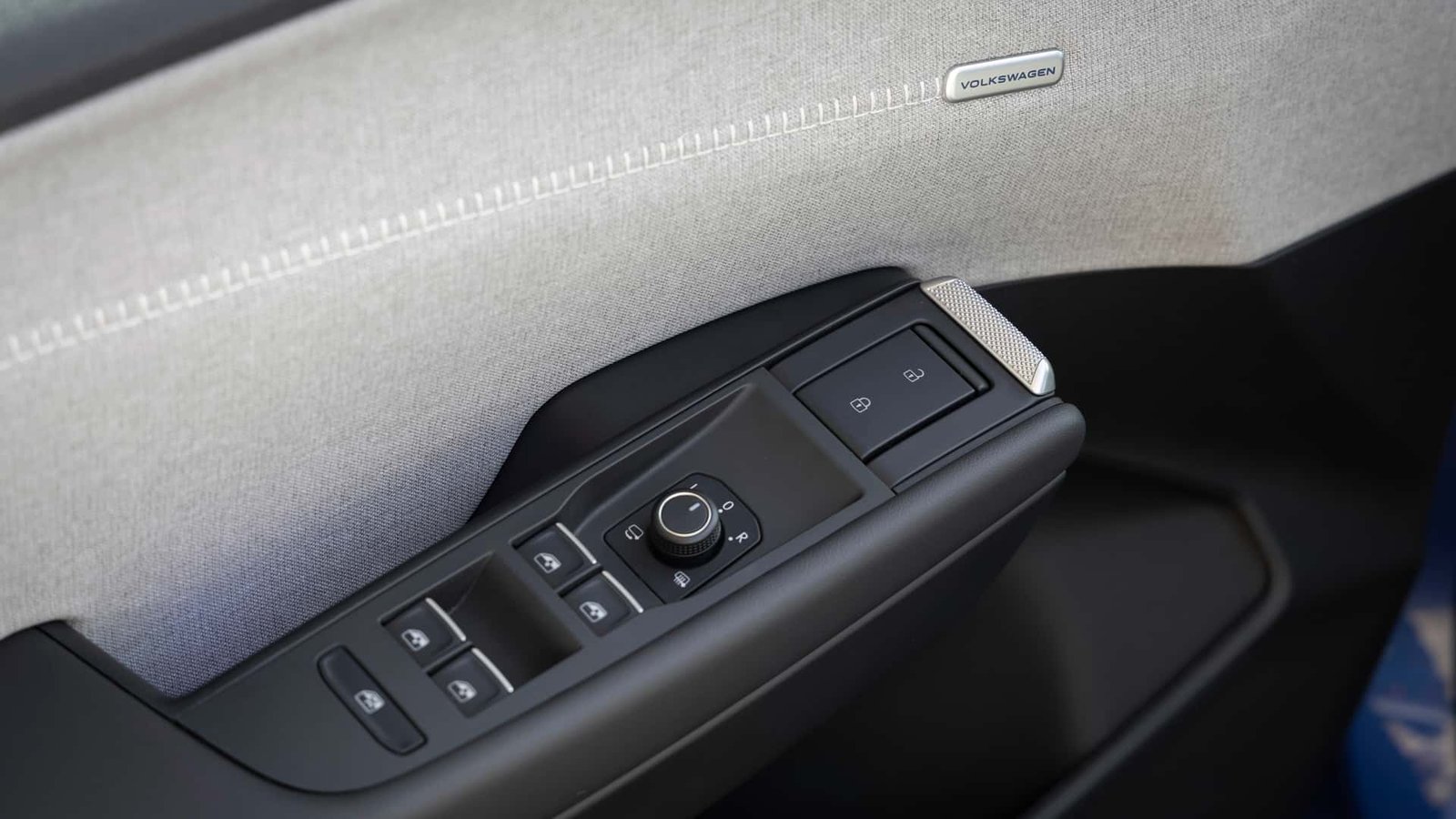
However, Volkswagen eventually found that customers did not necessarily want their electric cars to operate like futuristic spaceships. Buyers wanted the benefits of an electric drivetrain without having to relearn basic functions such as adjusting the climate or changing the audio volume.
“With electric vehicles—including here at our company—there was this idea: Something new is beginning [electric vehicles], so the controls must also change significantly and be particularly modern. For example, we said, “Let’s install sliders instead of traditional rotary knobs. That’s the future.” Then we learned that customers who buy an electric vehicle are primarily looking for a different type of powertrain. They don’t automatically want to buy a spaceship.”
Source: Motor1