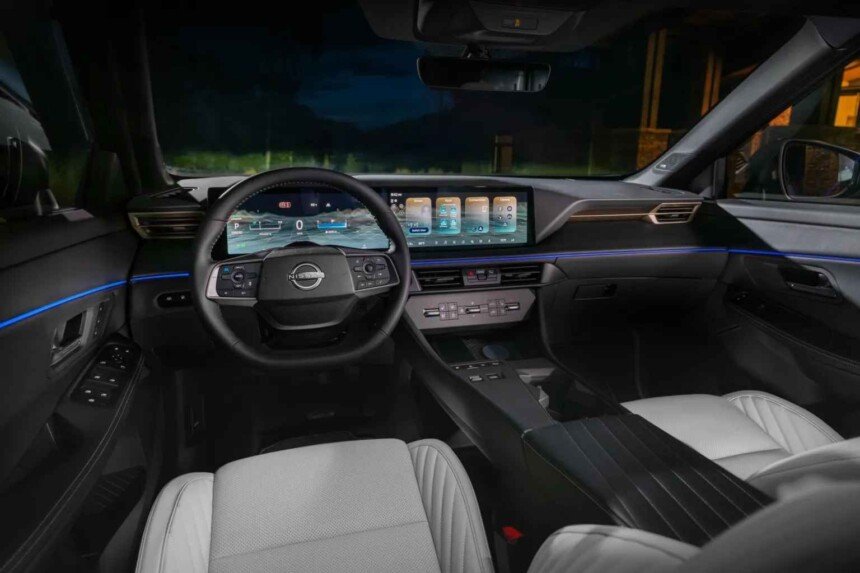

As car interiors become increasingly dominated by giant touchscreens, Nissan believes there are some controls that simply work better as physical buttons and knobs.
Ponz Pandikuthira, Senior Vice President and Chief Planning Officer for Nissan North America, says designing vehicle controls cannot be treated purely as a styling exercise. While moving everything onto a touchscreen might result in a cleaner-looking cabin, functionality can suffer in the process.
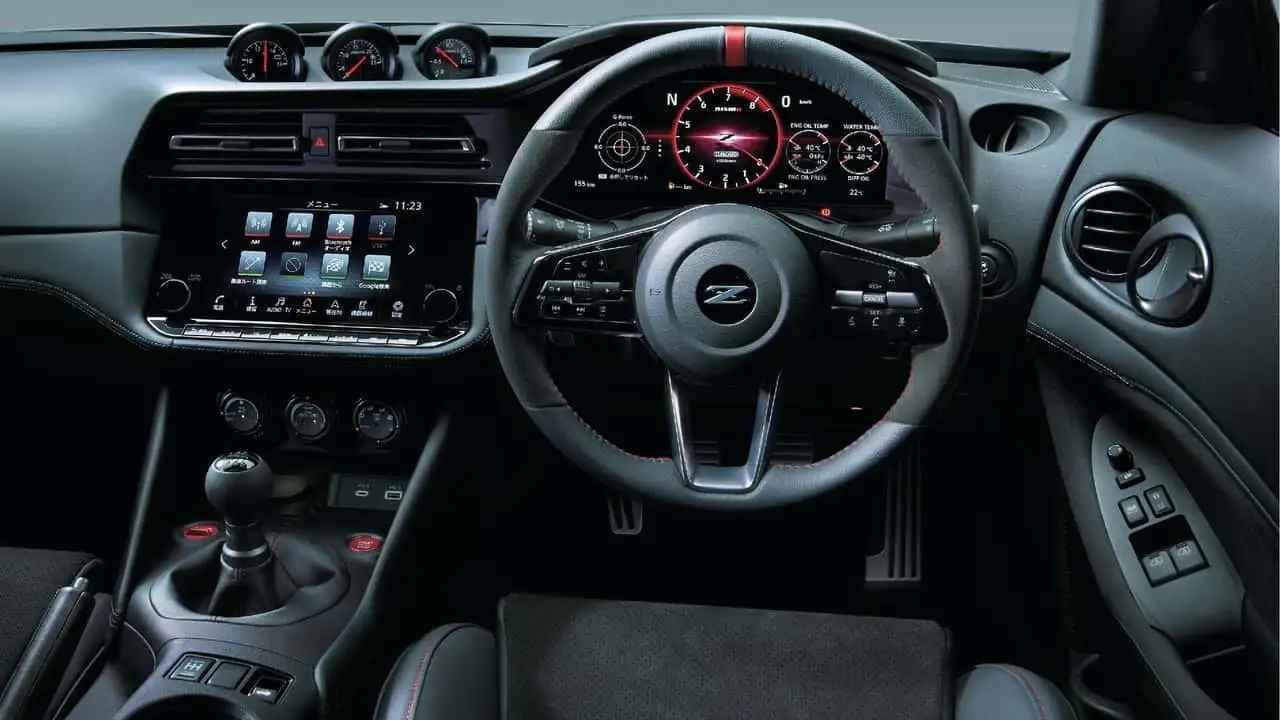
“Ultimately, you could put everything on a screen, for example, make everything a digital switch,” Pandikuthira said. “It’s a very clean design on the inside. But the functionality takes a big beating.”
According to the Nissan executive, drivers have become accustomed to the tactile feedback offered by certain traditional controls, making them more intuitive to operate.
One example is the audio system. Pandikuthira believes the volume and power control should remain a physical knob, allowing drivers to adjust it naturally without navigating through a display.
Nissan isn’t the only manufacturer going this road. Volvo, Audi, Mercedes, and even Volkswagen want to bring back more physical controls in their cars.
However, BMW, on the other hand, is betting big on touchscreen and voice-controlled interiors, and the reason is surprisingly straightforward: the company believes younger buyers are increasingly comfortable interacting with technology this way.
Source: The Drive