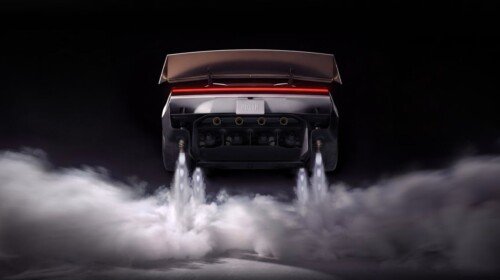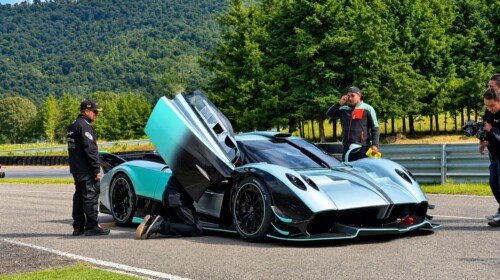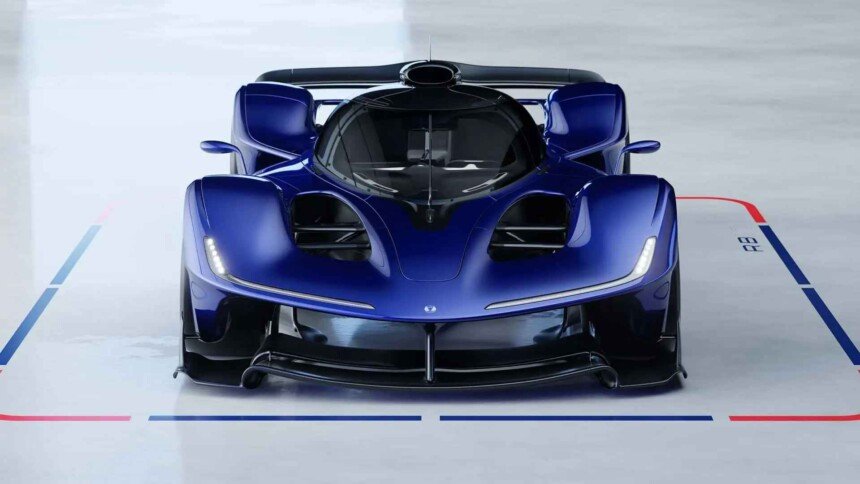

When Red Bull pulled the covers off its RB17 hypercar at the Goodwood Festival of Speed 2026, one thing stood out immediately—its screaming V10. So, why did Red Bull choose this specific engine for its wild hypercar? Cosworth’s Managing Director, Bruce Wood, sheds some light on it.
Working alongside Cosworth, Red Bull explored almost every engine layout you can think of. Turbo V6s, V12s, even hybrid setups. But with no racing rules or road regulations to follow, finalising one was a difficult task.
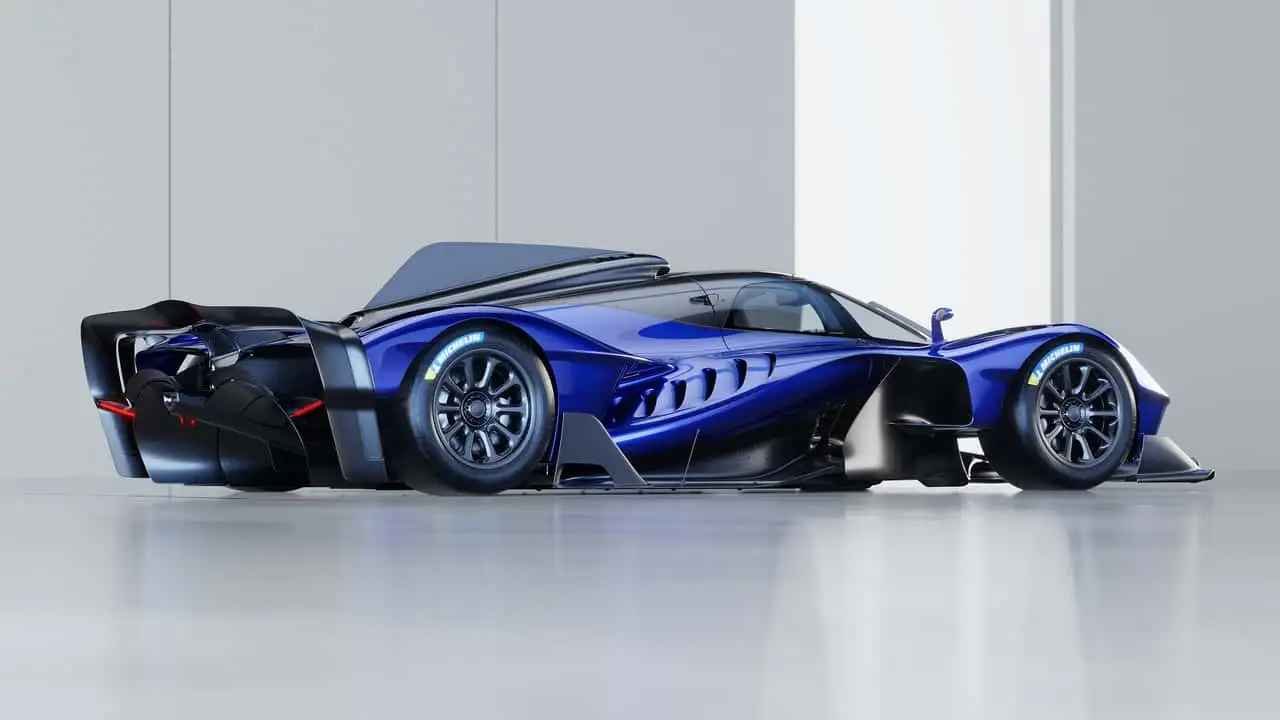
“We went through pretty much every single engine. We had V6 turbos, we had V12s… and the only way to really decide what’s best is to go into each configuration in a fair amount of detail in the analysis.”
The answer was a naturally aspirated 4.5-litre V10. It produces around 1,200 hp and revs to an astonishing 15,000 rpm. What really mattered was response. Instant throttle, no lag, and a connection that turbo engines simply can’t match.
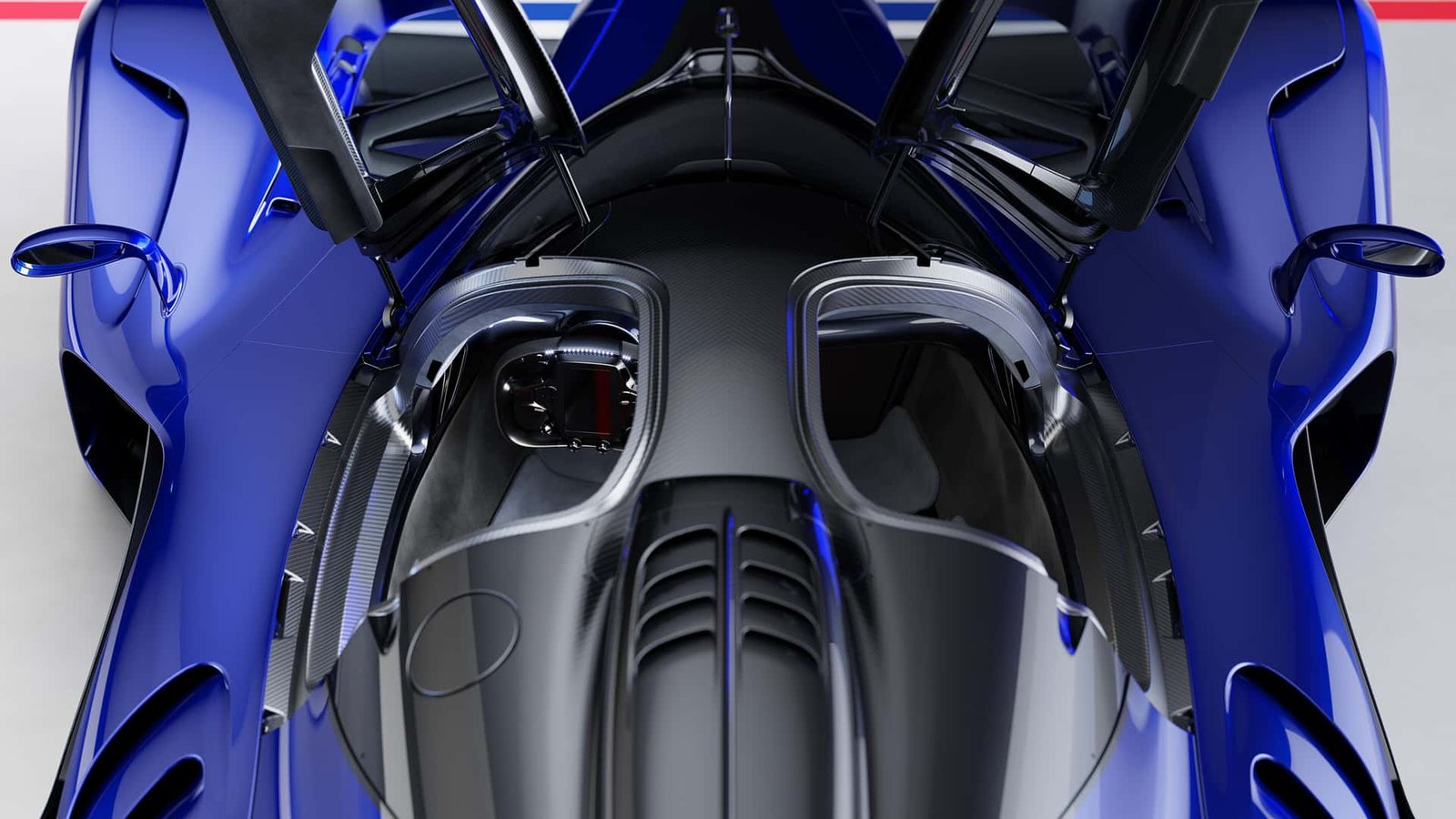
“One of the big forks in the road is turbo or naturally aspirated. Given the nature of the car and what they wanted to achieve in terms of being a driver’s car, turbo engines… the torque delivery isn’t as instant.
You can achieve huge power, but if you want instant throttle response, that really drives you down the naturally aspirated route… We thought this was quite a nice balance between capacity [and] engine speed.”
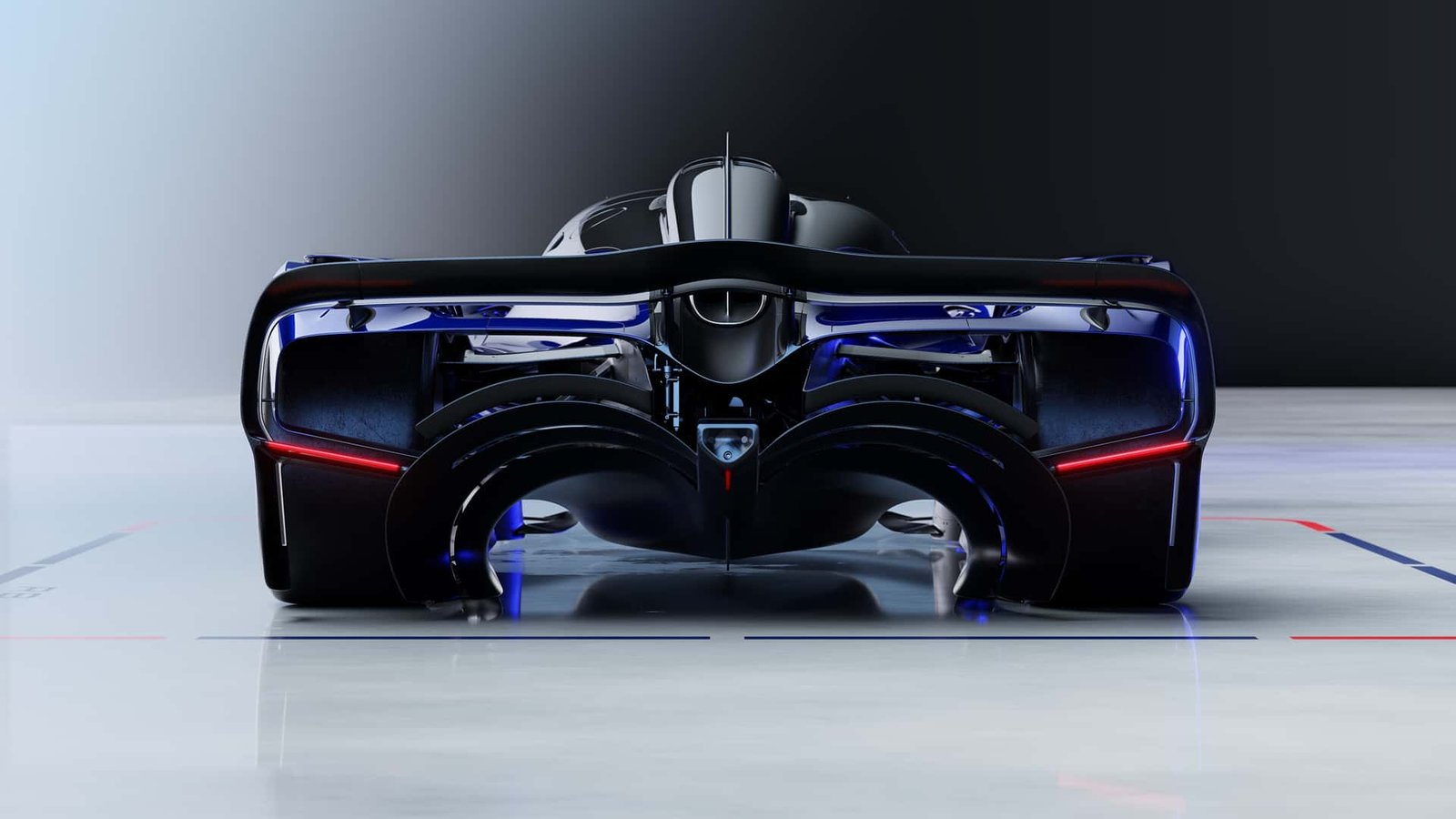
It was also because of the sound. A V10 at full throttle delivers something that nothing else can match. It’s raw, emotional, and a clear nod to Formula 1’s golden era.
“I think as well, the V10… the soundtrack you’ll get from a V10—you can’t really put that into a numerical assessment. Everybody still talks about that era [of Formula 1]. I think that was an important feature.”
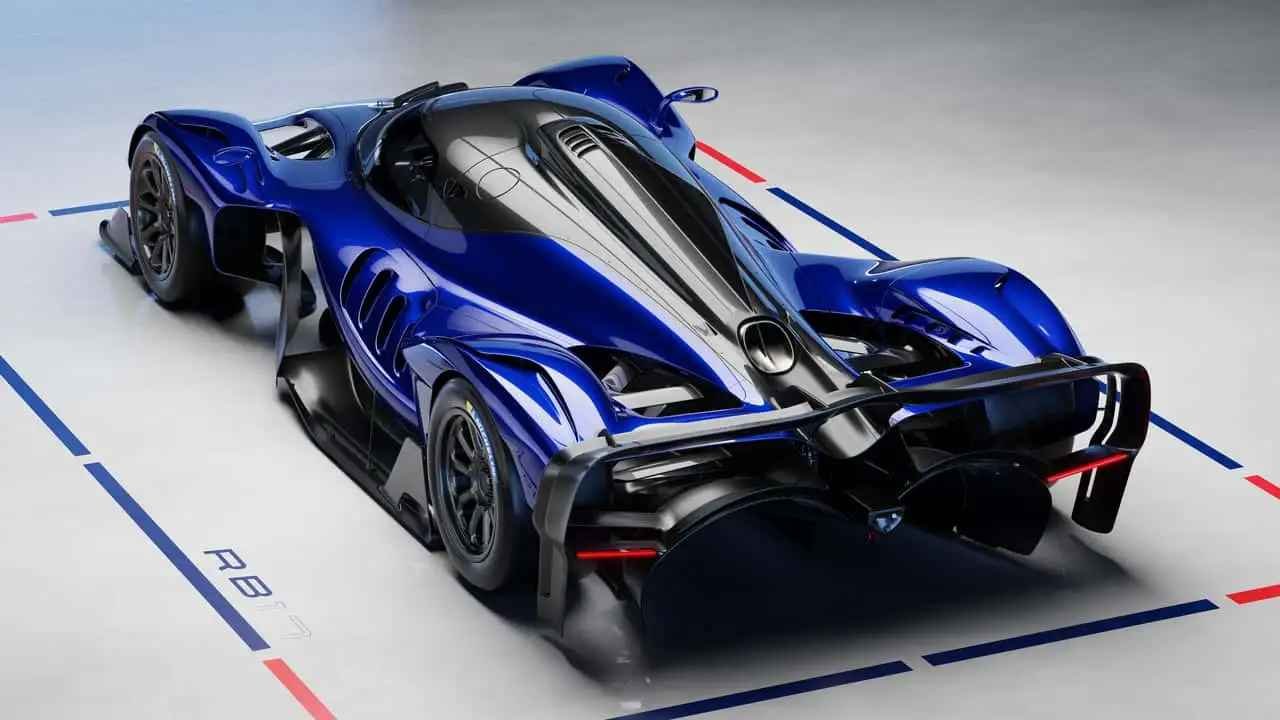
Engineering it wasn’t easy. Cosworth had to make sure this high-revving engine could survive in a customer-owned track car, not just for a few laps, but for thousands of kilometres. Technologies like pneumatic valve springs helped achieve that, while still keeping the engine usable without a full race crew.
“Right from the outset, it was important that this was a car you could be spontaneous with—take it to a circuit and go use it. You didn’t need that army of people to run it.”
Source: Motor1